Showing posts with label travel. Show all posts

Tuesday, 11 March 2014

Las Fallas in the Region of Valencia 2014


The Festivals called 'Las Fallas' begins soon in Valencia, not just in the city of Valencia but the whole region. The festival is celebrated every year between the 16 and the 19th of March in honor of Saint Joseph. During the days coming up to the festival sculptures and giant figures are set up and mounted called 'Las Fallas'. The sculptures were originally made from cardboard and wood but now are made from papier-mache on a wooden frame.
 The sculptures represent a satirical look on life. They communicate messages that comment on a theme and depicting caricatures with humour. The word Falla comes from Mozarabic as well as the Latin for facula and is translated as 'Faults'.During the festival there is a lot of noise from fireworks and banger constantly being set off. It is not for the faint hearted as the banger in the street certainly make you jump.
There is plenty of music and food and partying into the night. Valencia itself can become ram-packed so I would recommend visiting a smaller town like Gandia where there a a great many Fallas to see and parties to be had. The atmosphere around this time is so exciting, there is so much anticipation to see the sculptures and start partying. The 19th which is the day they burn the Fallas is a Regional holiday so almost everyone can get to enjoy this unique festival. 


Monday, 20 June 2011

It's getting too hot, time to go up North: La Rioja

Church in a small village of La Rioja
The wine region of la Rioja has become more widely known around the world in recent years, firstly for the quality red wine that it produces and secondly as a travel destination. The types of visitor the region of La Rioja pulls is mainly Spanish, being fairly near Madrid, it makes it an ideal getaway. However, it is beginning to emulate the atmosphere of St Emilion as a centre for wine appreciation. Its stylish and modern hotels and its mix of new world wine making and traditional methods has brought in a new kinds of visitors eager to discover the its historical heritage and admire the striking landscapes. While also indulging in tours and tasting in the many wineries that are spread over the region.


Many of the vineyards cover the region and cross over to the Basque country. Many of the grapes used by individual wineries are taken from different areas of La Rioja and the Basque country. The capital of the region is the untouristy  Logroño, this is the main commercial centre but also has a old historic Centre lined with tapas bars.
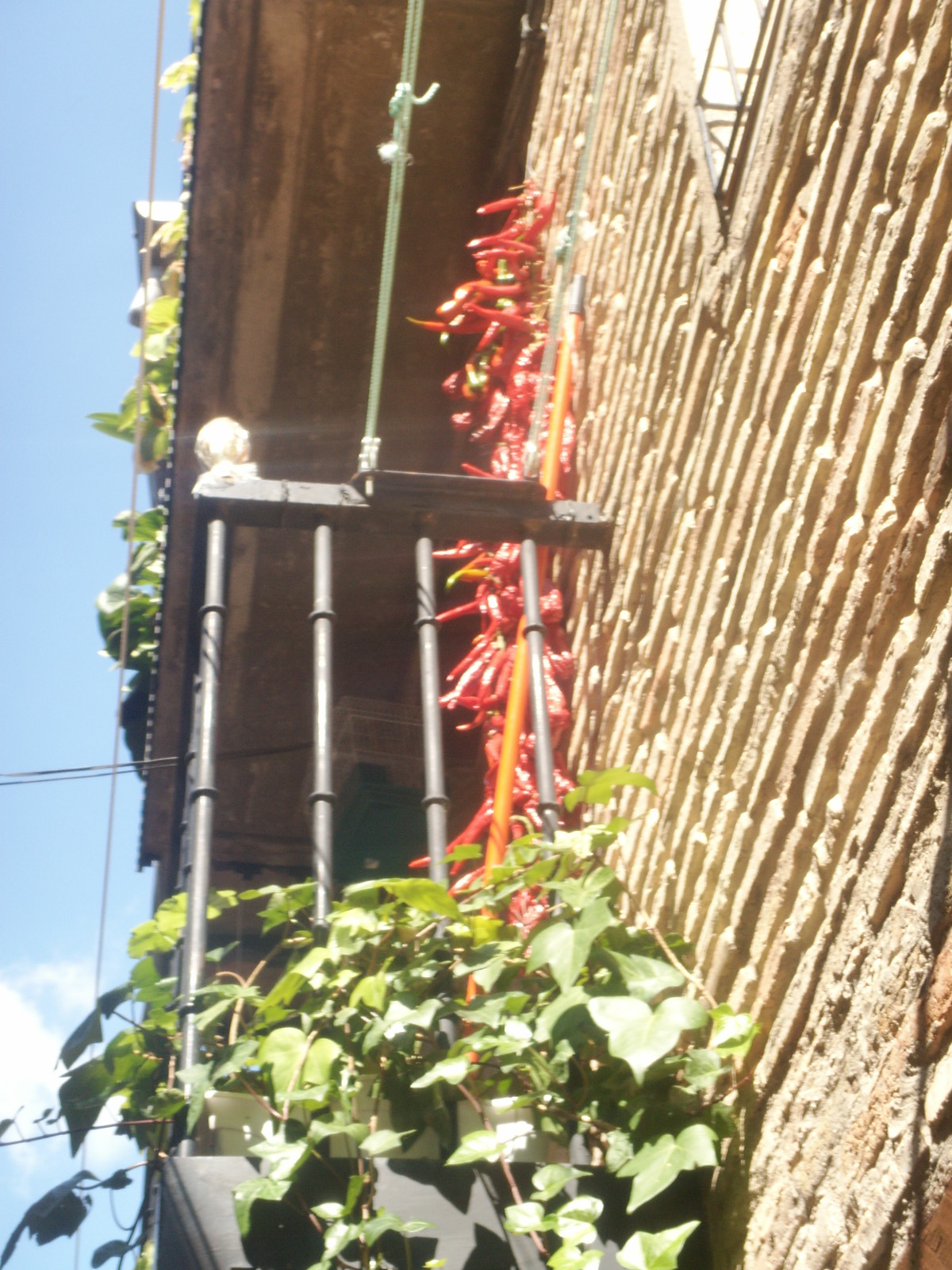
Chillis hanging ou to dry

Main tapas street in Logroño


The tapas are cheap and delicious, typically served are pinchos which are marinated meat skewers, stuffed piquillo peppers, Riojan cheeses and sweet paprika chorizo. There is also a great local fiesta in September, the streets are full with people eating and drinking. The local wines are of course on offer, as are other wines from around Spain. One of the most delicious wines I tried was a young white wine from the region, at only 0.70cents a glass!  What's also also appealing about Logroño is that there is none of that wine snobbery that you find in areas like Bordeaux. Any bartender is happy to advise and suggest wines that will be more than reasonable in price.


Right: stuffed piquillo pepper, left; pinchos (Before)

(After)
Another big wine producing town is Haro, which is home to both the Muga and the Cune wineries. Tours of the wineries cost between 6 and 10 euros, and free wine tasting is included. Muga actually gives each visitor a wine tasting glass as a present.

Grapes being processed

Huge wine vats
 Its worth doing one or two tours to see the inside workings of the wineries and the different methods that are used. The history of the wineries are also explained and some of their origins are quite interesting. If you can get a glimpse of the the growers wine book, this provides plenty of interesting information of the wine harvests, some even date back till the 18th century.

In the Muga wine cellar

The countryside around Haro is stunning. Camping is a good option in La rioja and there is an excellent campsite situated right between  the town and the Muga winery in Haro. Don't miss the wine festival in August when everyone throws copious amounts of wine over each other.

In the north of La Rioja towards the Basque country there are stunning mountain and valleys. There are actually seven main rivers that run through the region making it very green and fertile. There are even Vultures to be seen on the mountain tops as well as old red-stoned villages along the way.

Countryside around La Rioja


Logroño has an airport and there are flights from London and connecting flights from Madrid. Alternatively, you could hire a car from Madrid and take a tour up to La Rioja, its about two hours away from Madrid and worth the drive. Online car hires are the cheapest in Spain, check out amigosautos.com or pepecar.com
Abandoned village house

 enjoyinspain-melissa.blogspot.com

Saturday, 11 June 2011

Montanejos A Hidden Gem

Main pool at Montanejos

Behind the mountains near Valencia, the spa village of Montanejos is beset by pine covered mountains. Its natural swimming baths are filled with natural mineral water pouring straight from the mountain, you can swim and drink the cool clean water which flows down into several different pools.


In the hot summer months Montanejos is a cool refreshing change to the costas and it is popular with Spanish holiday makers who seem to prefer the fresh mineral water rather than the salty Mediterranean sea. Although popular,  it does not every seem overcrowded and it is also an established base for mountain sports.

Abuelas enjoying the tranquillity


There is not much to the town itself although the main square has some nice reasonable bars and places to eat serving typical lunches. There are also a few little shops selling local products like honey.

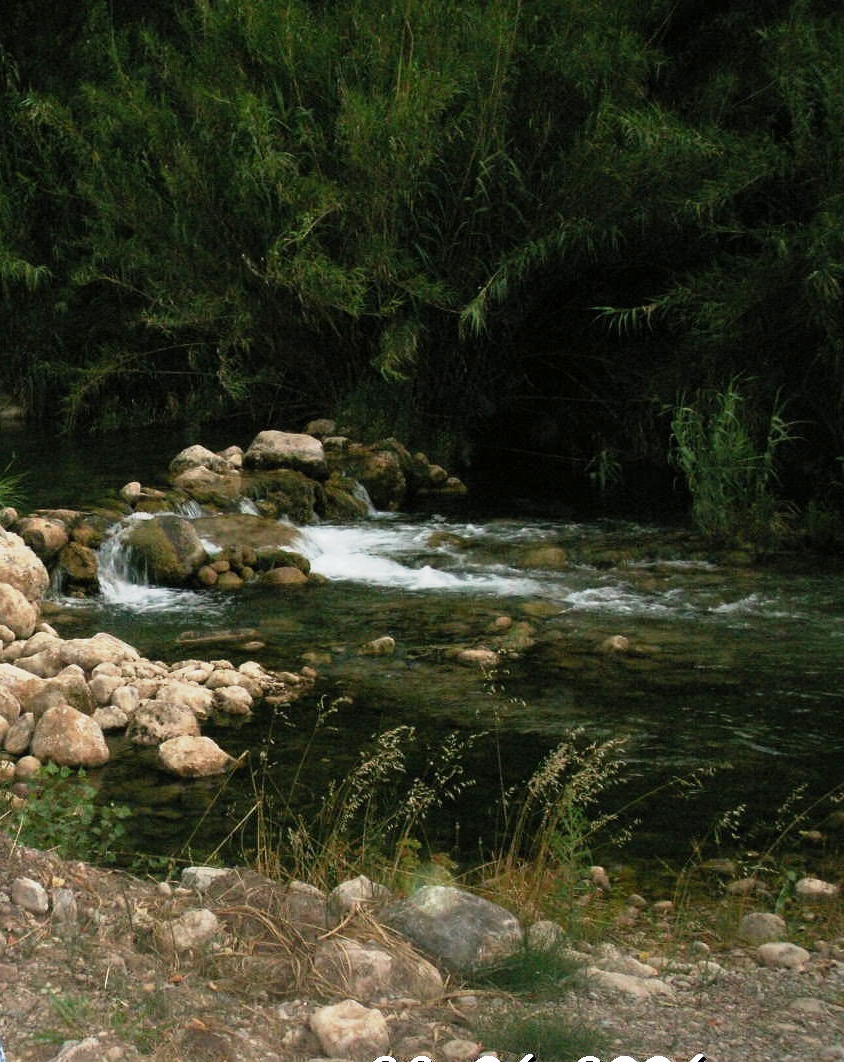
River running through the valley


Its a stunning journey to get to Montanejos from Castellón on the CV20. The road takes you through the Río Mijares gorges all the way up to Montanejos that lies in the very centre of the Sierra de Espadán.


View of the old town


Most of the hotels are open only in the summer as it get quite cold up there in the winter. There is also a pension called Refugio de Escaladores. If you've got a camper there is plenty of place to park up. There is also a free camping that has barbecue facilities and running water near Cirat on the way to Montanejos on the CV20.

Bridge at the bottom of the town
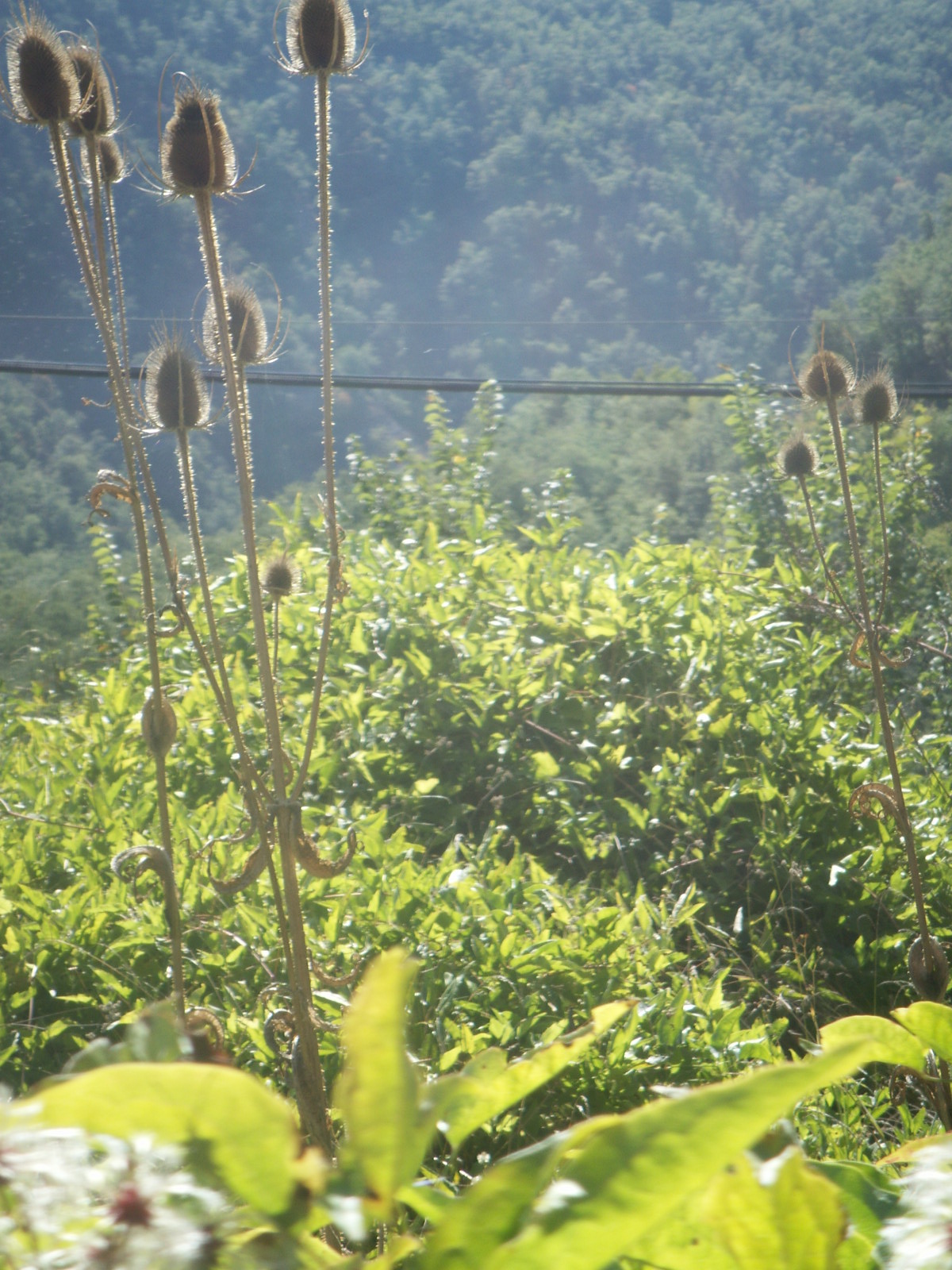
Some thistles growing wild

Tuesday, 7 June 2011

Brisk guide to Santiago de Compostela

Narrow street of the old town
The cathedral  was built between 1075 and1211


View of Santiago  


Santiago de Compostela is a beautiful city located in the north-west of Spain in the region of Galicia. It is famously known for the religious pilgrimage called the 'Camino de Santiago de Compostela'. However, if you don't fancy walking from the Pyrenees there is an airport with regular flights from Stansted with Ryanair or a regular train service from Madrid, which makes Santiago a great destination for a getaway break.
                                                     
Morning light on the cathedral
The compact old town, which is almost completely pedestrianised  is primarily focused around the cathedral, the cathedral being the main draw for many tourists. The cathedral can get very busy at times so if you want to contemplate the cathedral's Romanesque architecture without the bustle or the cues get there extra early to watch the sun come up over the towers, it makes for a spectacular sight and a impressive start to the day.
Archways surrounding the cathedral walls

 Strolling around the cathedral takes you through a series of narrow streets and squares filled with bars and restaurants. Following the cathedral walls around the city brings you to a several different convents and monasteries. If you're getting hungry you can try the typical dish of the region, which is octopus or 'pulpo al gallega'. This is boiled octopus served on potatoes with paprika and olive oil.                                                                                   
Typical bar offering a 'good octopus' 

View of the cathedral from the park
Dove house in the park
If you have not had enough of the cathedral yet you can get some stunning views of it from the park Alameda which is between the old town and the university, it also offers great views of the rest of the city. The park is the former lands of the counts of Altamira, and it was given to the council in the 19th century. The park was designed taking into account the three social classes of that time, there is three walks taking into account each social class. 
Alameda park

Alameda Park

Old facade of the university

 If you're looking for somewhere to stay there are plenty of reasonable priced guest houses called 'pensiones' available to accommodate the pilgrims. On the other end, there is the Parador situated right next to the cathedral called Hotel Hostel dos Reis Catolicos. This luxury hotel is considered to be one of the oldest hotels in the world. For something different contact the university for their summer accommodation information. They have rooms with bathrooms available during summertime with a good quality cafeteria and bar downstairs offering varied and cheap food.


The city as a whole offers more than the end to a religious pilgrimage, it has an abundance of seafood restaurants with local fresh fish and seafood brought in daily from Coruna to be washed down with the local white wine, Albariño. Its rich architecture is best observed wandering from plaza to plaza without the aid of a map. During the summer there is often some event or other taking place adding a festive feel to city.

The market